“What Is a CNC Plasma Cutter” Have you ever been curious about the methods metal fabricators use to cut thick steel plates and end up with such clean and precise results? The answer to this question is through CNC plasma cutting, as this advanced cutting tool features the computer control’s precision and the plasma technology’s immense power combined.
To the skilled welder and rollers alike, knowing a CNC Plasma Cutter’s operating means can very well enhance your projects. This blog post will introduce the concept of CNC plasma cutter, its operation, advantages, and the reason for being the best plasma cutter option for your workshop.
Understanding the Basics of a CNC Plasma Cutter
CNC plasma cutting might sound like rocket science but the very basics are so simple. Let us examine this very sophisticated tool and its worldwide popularity among the metal fabricators.
How CNC Plasma Cutters Work?
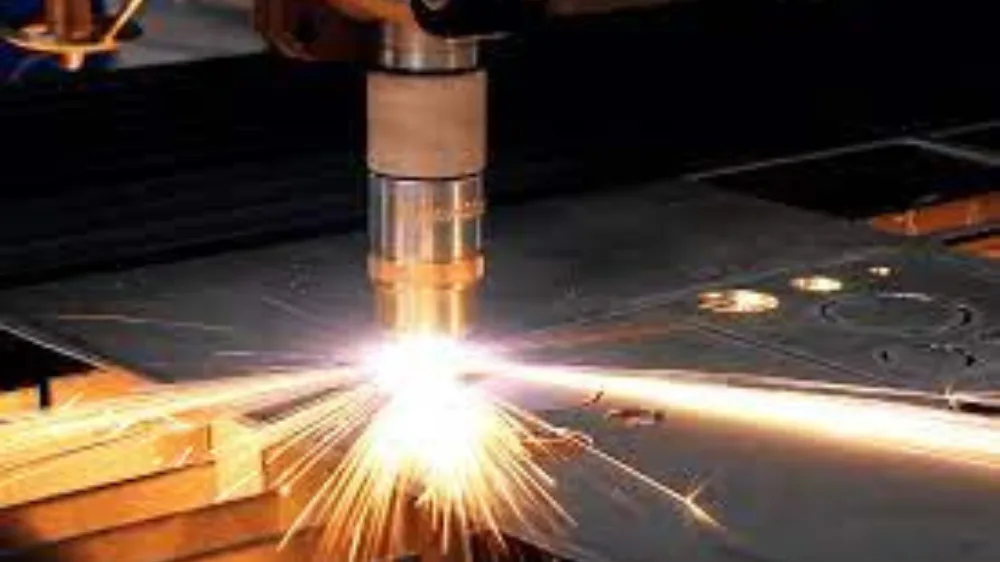
A CNC Plasma Cutter is nothing but a very powerful machine that emits a high-speed jet of ionized gas plasma to cut through the likes of steel, aluminum, or brass which are electrically conductive materials. The cutter sticks to the design patterns generated by the computer which guarantees every cut to have the same quality and be exactly within the specified dimension. In comparison to manual cutting, CNC control wipes out errors and takes efficiency to the max.
What Makes CNC Plasma Cutting So Effective?
The automation is what really makes it all happen. The CNC system reads digital design files (CAD drawings) and gives them in the form of cutting movements with high accuracy. This method assures production and cuts down on wastage hence making it very suitable for car manufacturing, construction, and metalworking.
Materials You Can Cut with a CNC Plasma Cutter
CNC Plasma Cutters are efficient of cutting through different kinds of metals including stainless steel, mild steel, copper, and aluminum. Furthermore, the applications range from machine parts to artistic panels, thus the tool’s adaptability makes it a essential in every shop.
How a CNC Plasma Cutter Works – Step-by-Step Guide
A CNC plasma cutter might seem discouraging, but the moment you get the hang of its process, it really is entirely simple. Here is a detailed portrayal of how this mighty machine includes digital designs and cuts them into clean metals.

Step 1: Design the Cutting Path
The journey begins with a CAD drawing. You either design or upload the model to be cut, and the CNC software interprets it into the motion commands that are accurate.
Step 2: Set Up the Machine
Then, you place your metal sheet on the cutting bed and adjust the amperage, gas flow, and height to the correct settings. The settings vary based on the thickness and kind of the material.
Step 3: Initiate the Plasma Arc
As soon as the process start, the cutter sets off a plasma arc that melts the metal right away. Unbelievable precision is achieved by the CNC system in directing the torch along the prescribed route.
Step 4: Achieve a Clean Finish
The quality of the cut is such that the edges are smooth and free from burrs which require little finishing. Therefore, the machine becomes one of the top choices for plasma tools in the point of view of the professionals.
Pro Tips and Common Mistakes to Avoid
You require to follow the expert suggestion if you want to get the best out of your CNC Plasma Cutter and avoid the most normal errors. A very small modification can translate into better quality, quick cutting, and longer machine life. Here are the principal points that will enable you to work cleverly, not harder.
1. Always Check Torch Height
Maintaining correct torch height guarantees the quality of cuts and helps consumables last longer. Being too close or too far away can spoil the precision and quality.
2. Maintain Proper Air Pressure
If the air supplied is less or unstable, the plasma stream will be affected and this will lead to the formation of rough edges. Before you start, always check if your air supply is stable.
3. Clean and Ground the Work Surface
A solid electrical ground connection improves cutting performance. Dirty or covered metal can discontinue the plasma arc and reason uneven cuts.
4. Regularly Replace Consumables
Nozzle wear and electrode damage can affect cut precision. Regular maintenance remains your CNC plasma cutter performing at its best.
5. Optimize Cutting Speed
Going too fast can source incomplete cuts, while too slow can create dross buildup. Test on scrap material before cutting the last piece.

Conclusion
CNC Plasma Cutters are unrivaled in their combination of accuracy, strength, and output. The professional-grade results they produce come with very little manual labor, thereby placing them at the forefront of the plasma cutter market among small workshops and industrial use. If you are going to cut metal sculptures or structural steel, then mastering the CNC plasma cutting will definitely give your work extra.
FAQ’s
Q1. What metals are suitable to be cut with CNC plasma?
The precision and quickness of cutting will be for conductors like steel, stainless steel, copper, brass, and aluminum.
Q2. Can I work with a CNC plasma cutter for recreation projects?
Absolutely! Manual factories use small CNC plasma tools for metal indication, custom metal, and DIY projects.
Q3. How do manual plasma cutters differ from CNC ones?
High-quality results are achieved consistently in the case of the latter ones by machines employing computer-guided automation, while the former ones deliver according to the operator’s hand control.
Q4. What is the maximum thickness for a CNC plasma cutter?
The maximum cutting thickness may vary considrabely, from a few millimeters to 50mm and even more, depending on the power of the machine.
Q5. What are the safety measures and precautions when using plasma cutters?
It is a must to wear gloves, a welding helmet, and a fire-resistant suit. Good ventilation in the working area should be secured and no flammable materials should be in the locality.